Table of contents
- What People Get Wrong About Giant Tortoises of Floreana
- A Quick Reality Check
- Who This Fits—and Who Will Regret It
- Giant Tortoises Return: Why This Matters to Travelers
- FAQ: Practical Answers, No Hype
- How does the return of giant tortoises contribute to ecological recovery on Floreana Island?
- What steps are being taken to support the genetic integrity of Floreana tortoises?
- How can travelers contribute to the conservation efforts in the Galapagos?
- What are the projected long-term benefits of the Floreana Restoration Project for the local community?
- In what ways are eco-tourists specifically addressed in the conservation initiatives on Floreana? - A Simple Planning Checklist
The reintroduction of giant tortoises to Floreana Island marks a pivotal turning point for both conservationists and travelers considering conservation-focused travel in the Galapagos. This guide is designed to help you determine whether participating in, witnessing, or supporting Floreana’s tortoise restoration project is the right fit for your interests, priorities, and expectations. It is best suited to those who place high value on hands-on conservation impacts, are willing to adapt to the tradeoffs required by active ecological restoration sites, and want a deeper understanding of Galapagos ecosystem recovery processes.
If you care most about seeing conservation in action and don't mind early mornings, boat transfers, or possible access constraints, choose itinerary options that feature the Floreana tortoise rewilding. The main choice you’ll face is balancing flexibility (visiting multiple islands and habitats, for example) against a focus on Floreana, where stricter visitation quotas, weather-dependent access, and conservation rules can affect your movements and comfort. This guide will clarify those tradeoffs so you can make decisions that match your values and travel style.
Key Takeaways – Giant Tortoises of Floreana Decisions
-
The release of tortoises is a keystone action within a multi-species island recovery strategy, not a standalone attraction.
-
Giant tortoises actively influence Floreana’s ecosystem by shaping vegetation patterns and supporting the return of native flora.
-
Community members participate in monitoring efforts and help enforce biosecurity protocols vital to restoration success.
-
Travelers can have a direct conservation impact—but only by respecting site access guidelines and supporting authorized programs.
-
Overlooking guidelines around group size, access timing, or footpaths can unintentionally hinder recovery efforts—avoid assuming that visiting is always low-impact.
What People Get Wrong About Giant Tortoises of Floreana
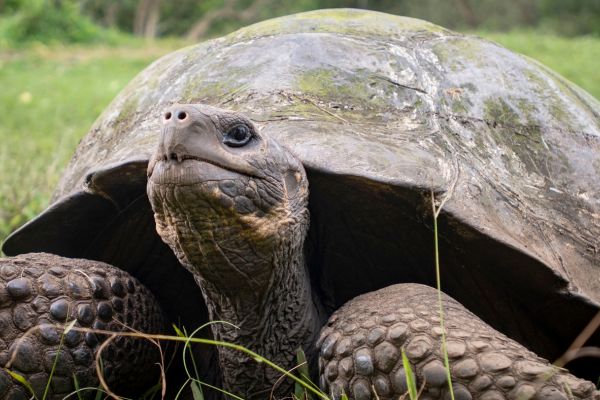
A common misunderstanding is to treat Floreana’s giant tortoises as passive sightseeing opportunities, reducing them to a visual highlight on an island cruise. In fact, they are ecosystem engineers whose foraging—repeatedly traversing arid highlands and lowland scrub—breaks up woody undergrowth and helps disperse seeds from native plants unique to Floreana, such as Scalesia and prickly pear cacti. Historically, when invasive goats and rats displaced the tortoises, plant communities collapsed. Judging tortoises as merely emblematic wildlife underestimates their daily role in maintaining a viable mosaic of habitats. If observing animal behavior in context matters to you, prioritize guided walks or talks that cover the full scope of their ecological function. Expect to encounter logistical constraints like limited trails, planned group times, or restrictions during sensitive monitoring periods, all designed to protect restoration progress.
A Quick Reality Check
The Floreana restoration project is not a rapid or tourist-driven initiative; it is a methodically sequenced program integrating animal reintroduction, habitat management, and community engagement. For instance, after the rigorous removal of non-native rats and feral cats, teams monitored for ecosystem rebound before moving to species translocation, staged over several years. This means that while tortoise sightings are now possible, their movement is closely tracked and some areas remain off-limits to prevent disruption of breeding or vegetation recovery. If you want to prioritize encounters with both tortoises and other returning species, accept that some sites may be temporarily closed, and daily plans will often shift due to weather or biosecurity checks. Making the most of this experience requires flexibility regarding access windows and patience with conservation protocols.
Choose a Floreana-Featuring Voyage That Lets Your Trip Give Back
Floreana’s comeback story is unfolding right now, and the best way to experience it is to travel with intention. By selecting an itinerary that includes Floreana, you’re not only adding one of the most meaningful islands in the archipelago to your route, you’re also reinforcing the model of conservation travel that helps fund long-term restoration, monitoring, and protection across the Galápagos.
-
Galapagos Central and Southern Islands (7 Days) | Horizon Catamaran
Includes Floreana (Day 2): Post Office Bay, Devil’s Crown & Cormorant Point—plus Española and San Cristóbal highlights. -
Isabela, Fernandina & Central Islands (8 Days) | Horizon Catamaran
Includes Floreana (Day 7): Devil’s Crown, Cormorant Point & Post Office Bay—paired with wild western-island encounters on Isabela and Fernandina.
Who This Fits—and Who Will Regret It
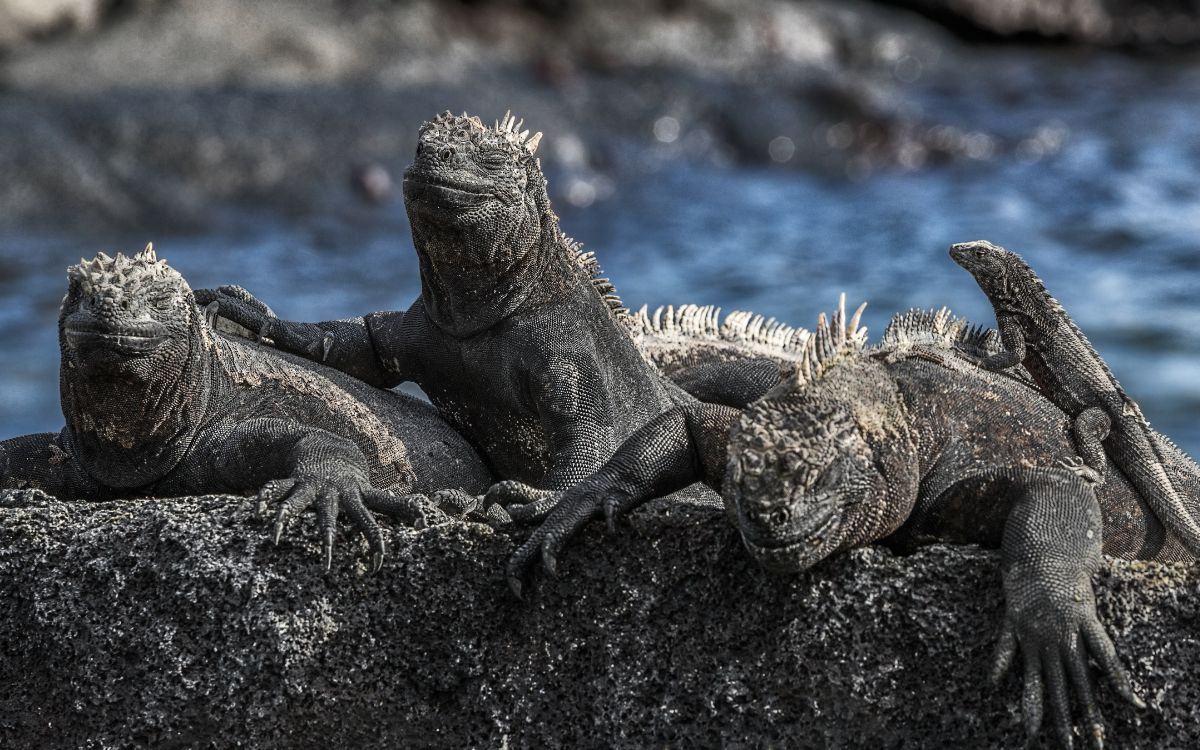
This restoration site best serves travelers with a strong interest in hands-on conservation, scientific monitoring, and learning about invasive species management. If you are motivated by the prospect of seeing land iguanas or rare plant restoration alongside tortoise activity, or you value participating in citizen science efforts led by local guides, you’ll get compelling insight into the Floreana recovery model. However, if you seek traditional “relaxation” tourism or expect open access to all island trails and beaches, you may find Floreana’s carefully regulated environment and focus on ecological stewardship restricting. Physical access often requires early-morning departures, wet landings from small boats, or navigating uneven terrain to reach tortoise monitoring sites. Weigh your interest in active learning and environmental engagement against preferences for unstructured leisure or conventional tourism comfort.
Giant Tortoises Return: Why This Matters to Travelers
The 2026 rewilding effort means visitors can now observe the slow re-establishment of Floreana’s nutrient cycles and native plant communities—an opportunity available on only a few Galapagos islands owing to strict restoration priorities. Tortoises here are not only wildlife encounters; their movements directly influence whether rare plants like Lecocarpus are able to germinate and survive on previously barren slopes. If you want to participate in guided habitat monitoring or citizen data collection, these activities let you contribute to documented ecological recovery—far beyond taking photos. The process is ongoing, so expect variable wildlife density and the likelihood that some planned routes may be seasonally blocked to protect hatchlings or allow vegetation regrowth. This type of conservation travel asks for patience, willingness to adjust, and a genuine interest in seeing nature’s recovery in real time.
FAQ: Practical Answers
How does the return of giant tortoises contribute to ecological recovery on Floreana Island?
Giant tortoises restore functions that invasive species disrupted for over a century by breaking down dense plant cover and enabling native seeds to spread across volcanic slopes. If direct evidence of ecosystem rebound is important to you, focus on visiting areas where tortoises have been most active since reintroduction—here you’ll see new plant growth and changed landscape structure. If you want to see rapid animal congregation, note that early stages may feel sparse compared to well-established islands like Santa Cruz.
What steps are being taken to support the genetic integrity of Floreana tortoises?
The project advances only with tortoises bred from individuals shown to retain a significant proportion of Floreana genetics—not just Galapagos-wide ancestry. If maintaining authenticity matters in your trip, look for conservation briefings that detail these selective breeding methods and be aware that the staged release process will mean juveniles are incrementally introduced over several years, not all at once for public viewing.
What are the projected long-term benefits of the Floreana Restoration Project for the local community?
Floreana’s recovery is designed to create stable eco-tourism and agriculture by restoring essential species and involving residents in training, monitoring, and sustainable livelihoods. For those considering a balance between local interaction and wildlife focus, note that much of the employment and education on Floreana is now tied directly to restoration success, so your visit strengthens both ecological and social resilience—if you’re willing to prioritize activities aligned with these goals.
In what ways are eco-tourists specifically addressed in the conservation initiatives on Floreana?
Eco-tourists are engaged through structured educational sessions, participation in site monitoring (when permitted), and ongoing instruction about biosecurity—from gear cleaning to designated footpaths. If being a proactive, low-impact visitor appeals, you will benefit from transparent guidelines and mandatory briefings, which are enforced for every visitor to minimize risk of reintroducing invasives or disrupting sensitive reintroduction zones.
A Simple Planning Checklist
- Check current visitor caps, regulated access windows, and mandatory guide requirements before booking, as these can change seasonally or with recovery milestones.
- Sign up where possible for guided conservation days to participate in planting, species counts, or invasive species removal.
- Direct your spending to Floreana-run businesses and companion initiatives, which boosts incentives for community participation in continuing restoration efforts.
- Monitor updates on tortoise movements, trail openings, or site closures prior to arrival—conditions may shift quickly due to weather or wildlife needs.
The return of Floreana’s giant tortoises marks a rare convergence of scientific rigor, community commitment, and visible ecological reversal. It’s a scenario where travel is bound by conservation priorities: strict group sizes, fluctuating access, and the sometimes-rugged logistics inherent to rewilding sites. If your trip is motivated by a desire to spend time immersed in hands-on recovery, and you are prepared for its attendant constraints, Floreana offers the chance to witness and support ecosystem repair at a formative stage.
When planning your visit, prioritize experiences that follow the Floreana restoration principles and expect that comfort, routes, and wildlife encounters will sometimes take a back seat to ecological protection. Participating in Floreana’s tortoise reintroduction story is not just observation—it’s a partnership with ongoing recovery, one that asks for your engagement and patience at every turn.